Unlock Your Flexibility
Beginner yoga designed for real bodies, real schedules. Discover how Coreflexibilityguide transforms your practice with accessible, evidence-based guidance.
Why Beginners Choose Our Program
Evidence-based yoga education that meets you where you are
Accessible to All
Every pose includes modifications so you progress at your own pace, regardless of flexibility or prior experience.
Injury Prevention
Our anatomically-informed approach emphasises proper alignment and breathing to help you build strength safely.
Flexible Scheduling
Learn on your terms with routines designed for busy UK lifestyles—from 10-minute flows to full sessions.
Mind & Body Balance
Beyond stretching—learn breathwork and mindfulness techniques to reduce stress and improve overall wellbeing.
What Makes Our Approach Different
At Coreflexibilityguide, we believe yoga isn't about touching your toes—it's about what you discover along the way. Our beginner-focused content strips away intimidation and focuses on real, sustainable progress.
Science-Backed Content
Every guide is informed by movement science and anatomical research, not trends.
Beginner-First Language
No yoga jargon. Clear, practical instruction anyone can follow.
UK-Focused Lifestyle Fit
Content designed for British schedules, climates, and cultural context.
Progress Tracking
Simple tools to measure improvements in flexibility, strength, and mental clarity.
Your 4-Week Transformation Path
A structured journey from first stretch to confident practice
Foundation
Learn basic poses, proper breathing (pranayama), and how to listen to your body. Understand alignment principles.
- Downward Dog
- Child's Pose
- Cat-Cow Flow
Building Strength
Add standing poses and gentle strength work. Build core awareness and leg stability for deeper practice.
- Mountain Pose
- Triangle Pose
- Warrior I
Deepening Flexibility
Explore forward folds and hip openers. Learn to stretch safely without forcing, emphasising gradual progress.
- Pigeon Pose
- Seated Forward Fold
- Low Lunge
Integration
Create flowing sequences combining all elements. Develop your personal practice rhythm and mindfulness routine.
- Full-Body Flow
- Meditation
- Personal Plan
Beginner-Friendly Yoga Styles
Choose the approach that resonates with you
Hatha Yoga
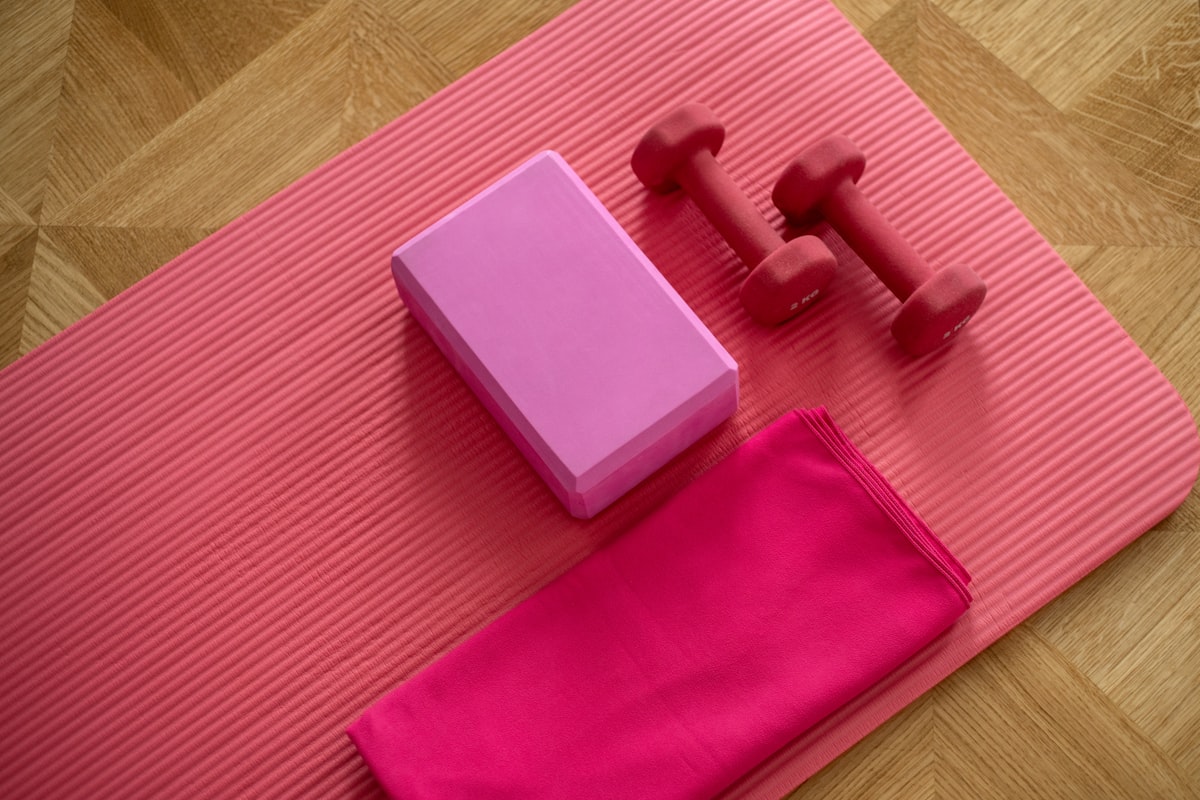
The traditional foundation of modern yoga. Hatha focuses on holding poses (asanas) for several breaths, building awareness and stability. Perfect for beginners who want to understand the fundamentals.
Vinyasa Flow
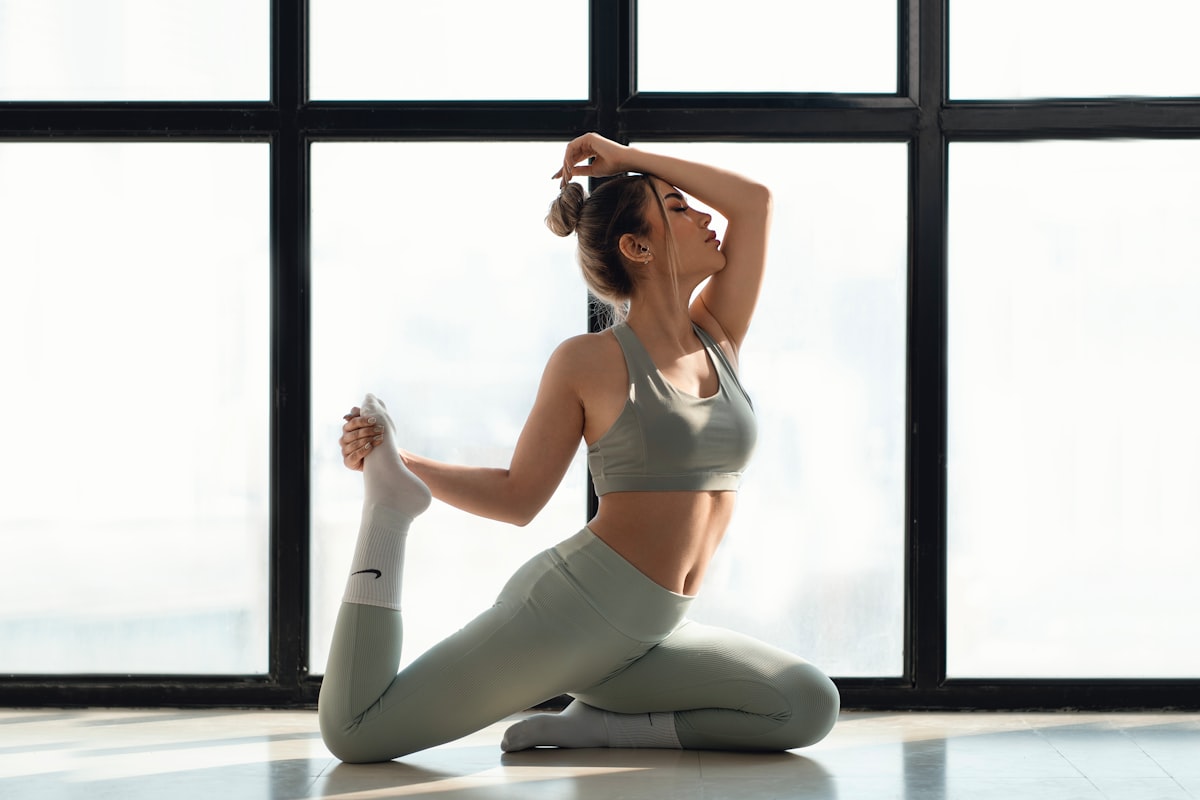
Movement linked with breath in flowing sequences. Vinyasa builds heat, strength, and cardiovascular fitness while developing flow and grace. Beginner-modified classes keep pace manageable.
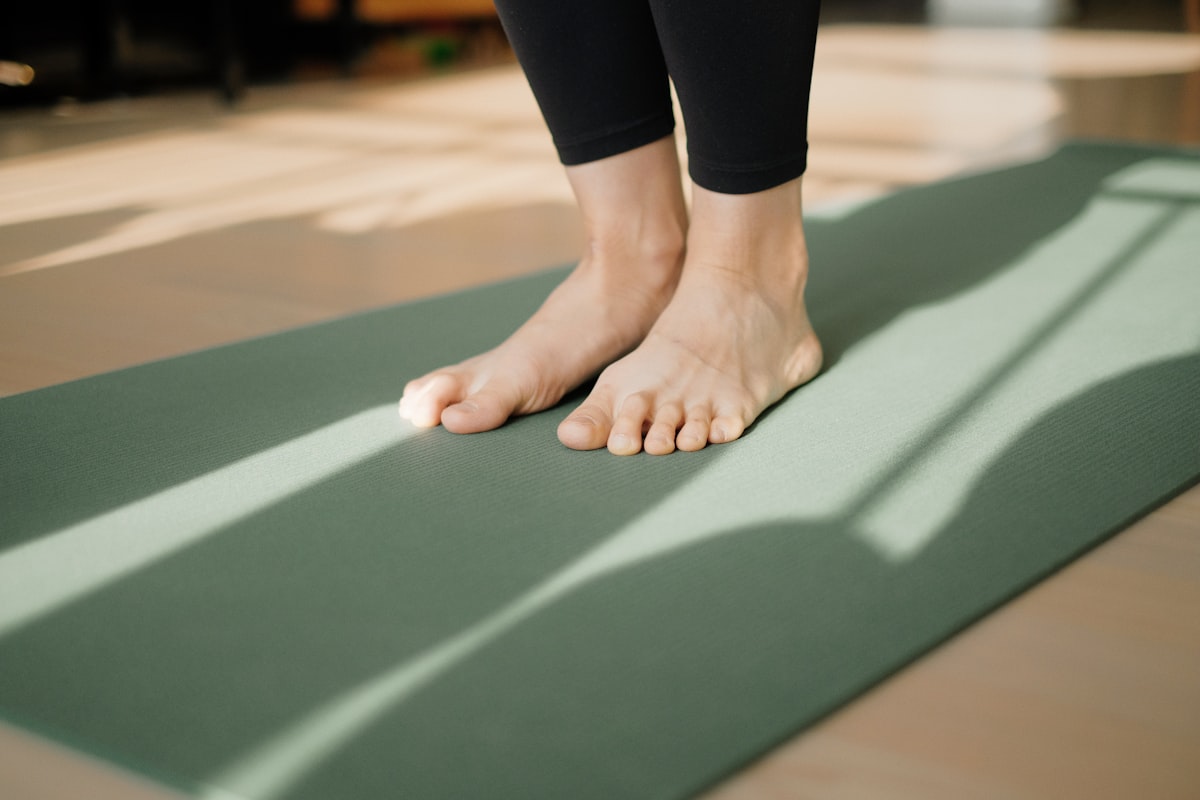
Yin Yoga
Passive, longer-held poses that gently stretch deep connective tissues. Yin is meditative and deeply relaxing, making it ideal for flexibility development and stress relief.
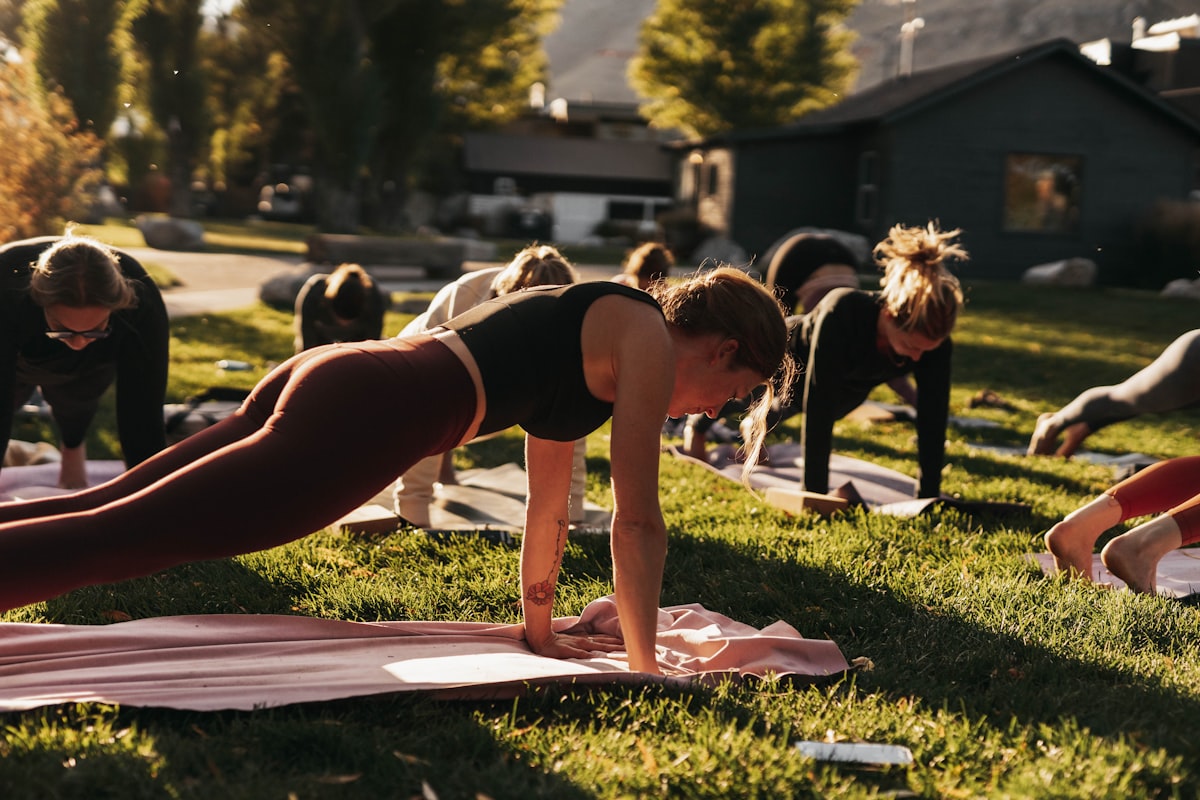
Restorative Yoga
Supported poses held for extended periods using props (blankets, blocks, bolsters). Activates the parasympathetic nervous system, promoting healing and recovery.
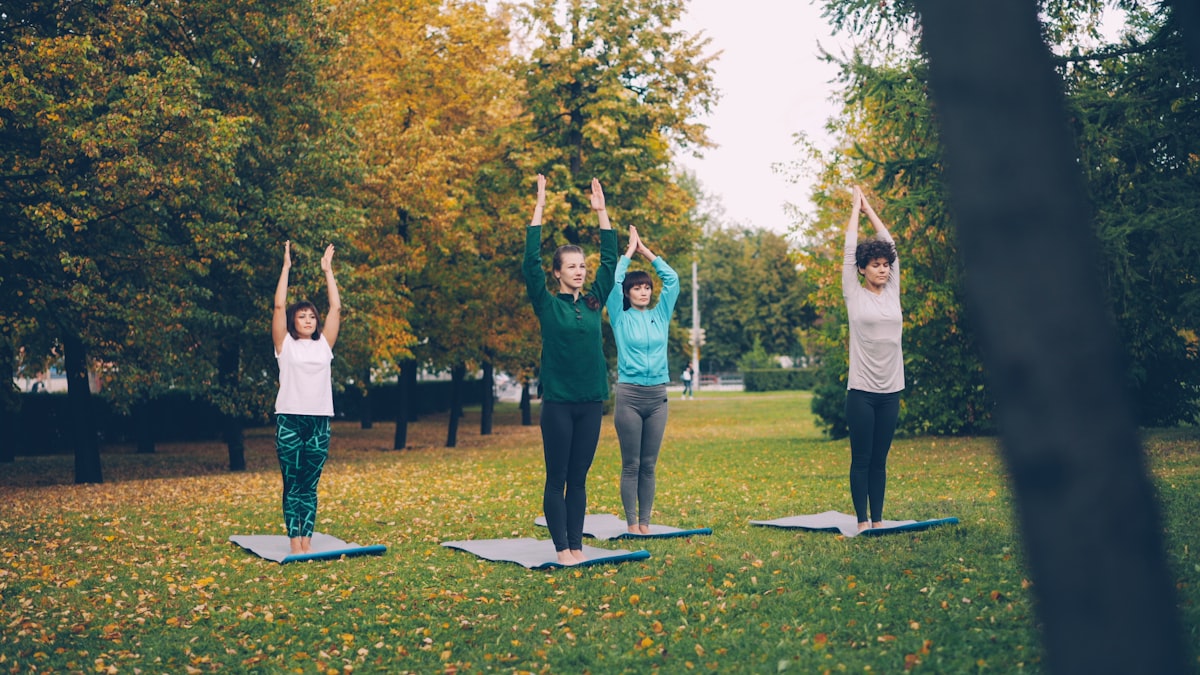
Power Yoga (Beginner)
A more athletic approach blending yoga with functional fitness. Builds strength and endurance while maintaining focus on breath and mindfulness. Beginner versions scale intensity appropriately.
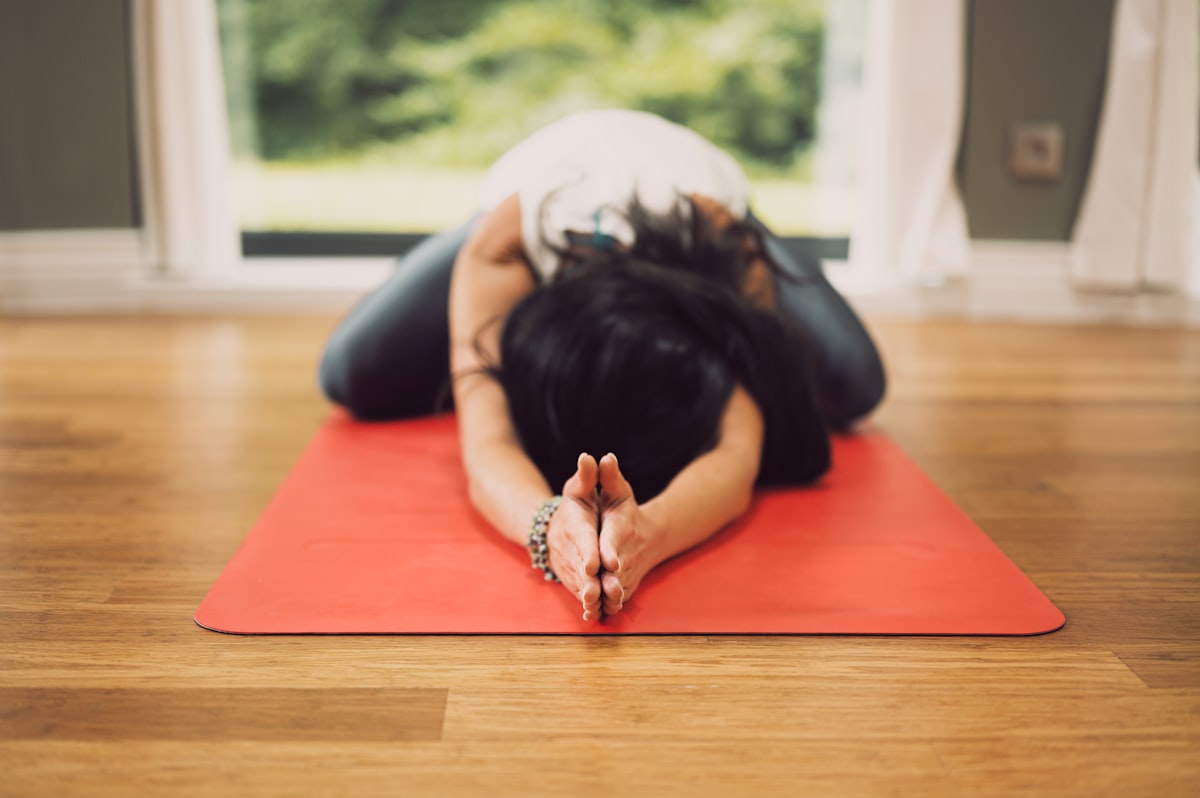
Kundalini Yoga
Spiritual practice combining poses, breath, chanting, and meditation. Focuses on energy movement and consciousness. Beginner-friendly formats introduce concepts gradually.
Key Benefits of Regular Yoga Practice
What changes when you commit to a consistent practice
Physical Benefits
-
Increased Flexibility
Gradual lengthening of muscles and connective tissues improves range of motion.
-
Improved Posture
Alignment awareness carries into daily life, reducing back and neck strain.
-
Enhanced Strength
Bodyweight resistance builds lean muscle, particularly in core and legs.
-
Better Balance
Standing poses train proprioception and stability, reducing fall risk.
-
Pain Relief
Regular practice often reduces chronic pain, especially in back and joints.
Mental & Emotional Benefits
-
Reduced Stress & Anxiety
Breathwork and meditation activate your relaxation response naturally.
-
Improved Sleep Quality
Evening yoga and relaxation routines promote deeper, more restful sleep.
-
Enhanced Mood
Physical movement and mindfulness naturally elevate emotional wellbeing.
-
Greater Mindfulness
Regular practice cultivates present-moment awareness in all life activities.
-
Increased Confidence
Progressing through challenges builds self-esteem and body awareness.
Start Your Journey Today
Access our comprehensive guides, pose library, and beginner-friendly routines designed specifically for UK practitioners.
Common Questions About Starting Yoga
Answers to help you begin with confidence
No—this is the most common misconception. Yoga builds flexibility; you don't need it to begin. Every pose has modifications, and you progress at your own pace. Many beginners are surprised by how quickly their flexibility improves with consistent, gentle practice.
Two to three times per week is ideal for beginners. This frequency allows your body time to adapt and recover while building consistent habit. Even short 15–20 minute sessions are beneficial. As you progress, you may increase frequency or duration based on how your body feels.
A yoga mat is helpful but optional—a towel works too. Props like blocks and straps assist beginners with modifications. Many poses are done on carpet or hardwood without props. The most important "equipment" is a clear space and comfortable clothing. Start simple; invest in props later if you choose.
Most people notice improved flexibility within 2-3 weeks of consistent practice (3-4 times per week). Significant changes appear after 6-8 weeks. Results depend on your starting point, age, and dedication. Consistency matters more than intensity—gentle daily stretches beat sporadic intense sessions. Listen to your body and celebrate small wins.
Yes, targeted stretching relieves muscle tension and can reduce chronic pain from poor posture, desk work, and tight muscles. Flexibility exercises improve circulation and release endorphins. However, for serious injuries or persistent pain, consult a healthcare professional or physical therapist first. Stretching complements medical treatment but doesn't replace it.
What Our Community Says
Real results from real people on their flexibility journey.
Jessica Martinez
Desk Professional
"After 4 weeks of following the program, my lower back pain disappeared. I can finally touch my toes! The modifications for beginners made all the difference."
Robert Chen
Athlete
"As a runner, I struggled with tight hamstrings. This guide improved my running performance and reduced my injury risk. The dynamic stretches are game-changers."
Sarah Lewis
Over 50
"I thought I'd always be inflexible at my age. This program proved me wrong! I'm more mobile, confident, and pain-free than I've been in years."
Ready to Transform Your Flexibility?
Join thousands improving their mobility, reducing pain, and unlocking their full physical potential with evidence-based stretching.
No credit card required • 30-day money-back guarantee • Join 10,000+ satisfied members