Master Flexibility with Beginner Yoga
Welcome to Coreflexibility Guide—your trusted resource for learning foundational yoga practices. Discover how simple, consistent stretching routines can help you move with greater ease, reduce tension, and build a stronger, more flexible body from the ground up.
Your 4-Week Yoga Foundation Path
Basic Alignment
Learn proper body positioning and foundational breathing techniques to establish a safe practice.
Standing Poses
Build stability and balance through accessible standing sequences designed for beginners.
Forward Folds & Hip Openers
Deepen flexibility in key areas while developing awareness of your body's unique needs.
Full Integration
Combine techniques into flowing sequences and establish habits for long-term practice.
Why Flexibility Matters for Your Body
Flexibility is not just about touching your toes—it's about improving your quality of life. When your muscles and joints have a fuller range of motion, everyday activities become easier and more comfortable. From picking up items from the floor to maintaining good posture at work, flexibility influences how your body functions throughout the day.
Regular yoga practice supports joint health, reduces muscle tension, and enhances circulation. As you develop flexibility gradually through consistent practice, you'll notice improvements in mobility, reduced stiffness, and a greater sense of ease in your movements. This journey is personal—there's no competition, just steady progress at your own pace.
- Improved Mobility: Move with greater freedom in daily life
- Reduced Tension: Release muscle tightness and built-up stress
- Better Posture: Strengthen supporting muscles for alignment
- Enhanced Awareness: Develop deeper connection to your body
Essential Beginner Poses
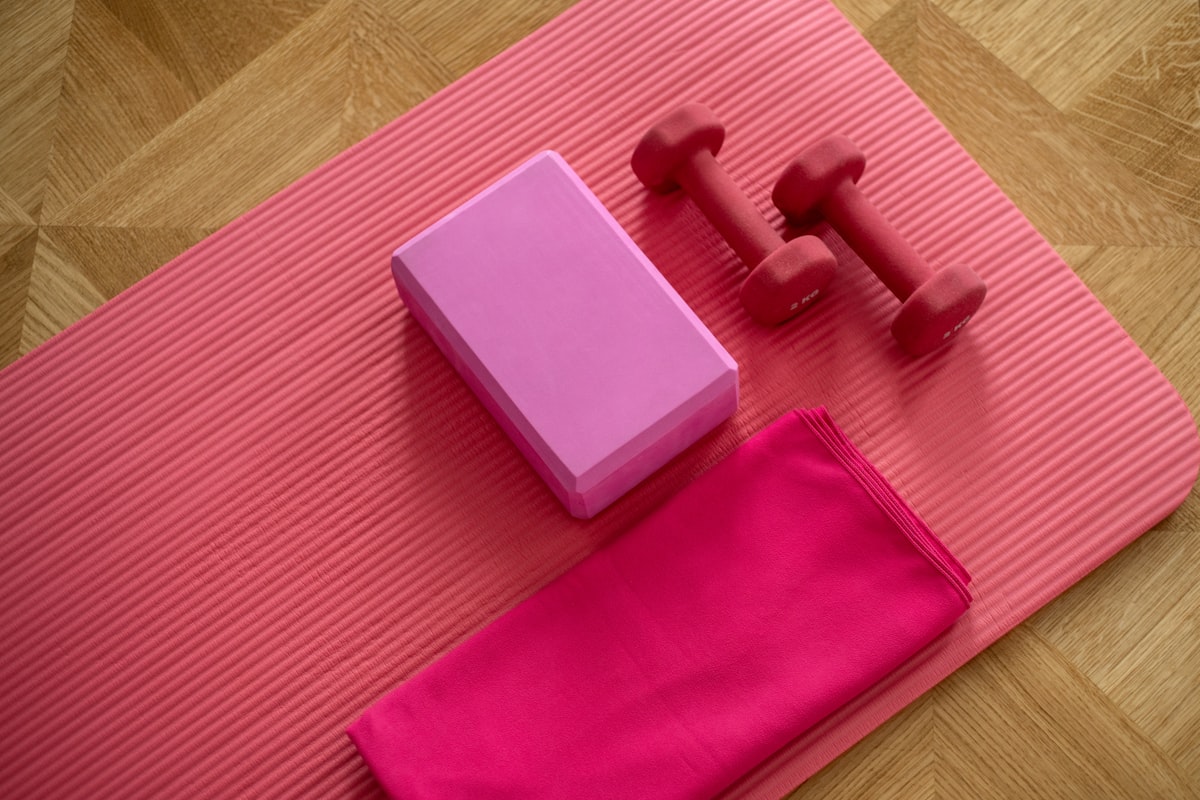
Child's Pose
A foundational resting pose that gently stretches the hips, thighs, and lower back. Perfect for beginners and offers a moment of calm during your practice.
Learn More
Downward-Facing Dog
A signature yoga pose that strengthens your arms and legs while stretching the hamstrings and shoulders. Builds strength and flexibility simultaneously.
Learn More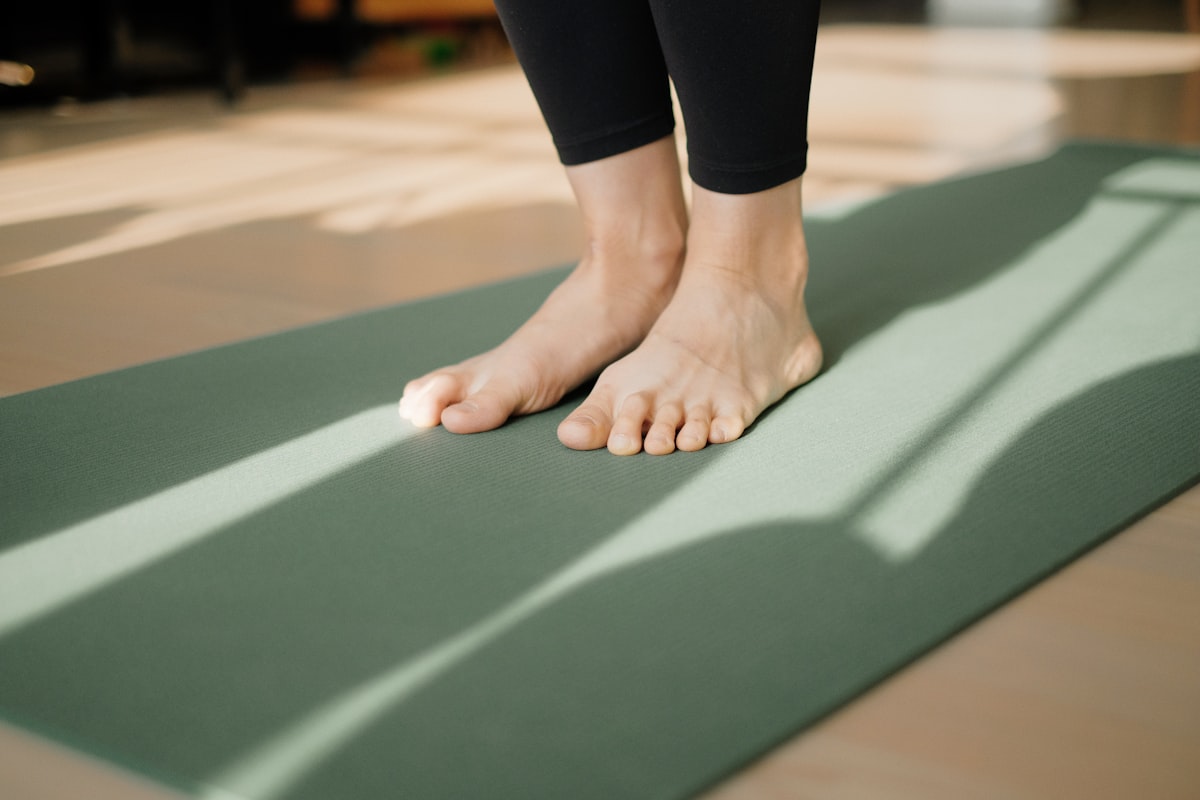
Seated Forward Fold
A deep hamstring and spine stretch performed while seated. Helps release tension along the back body and encourages relaxation and introspection.
Learn More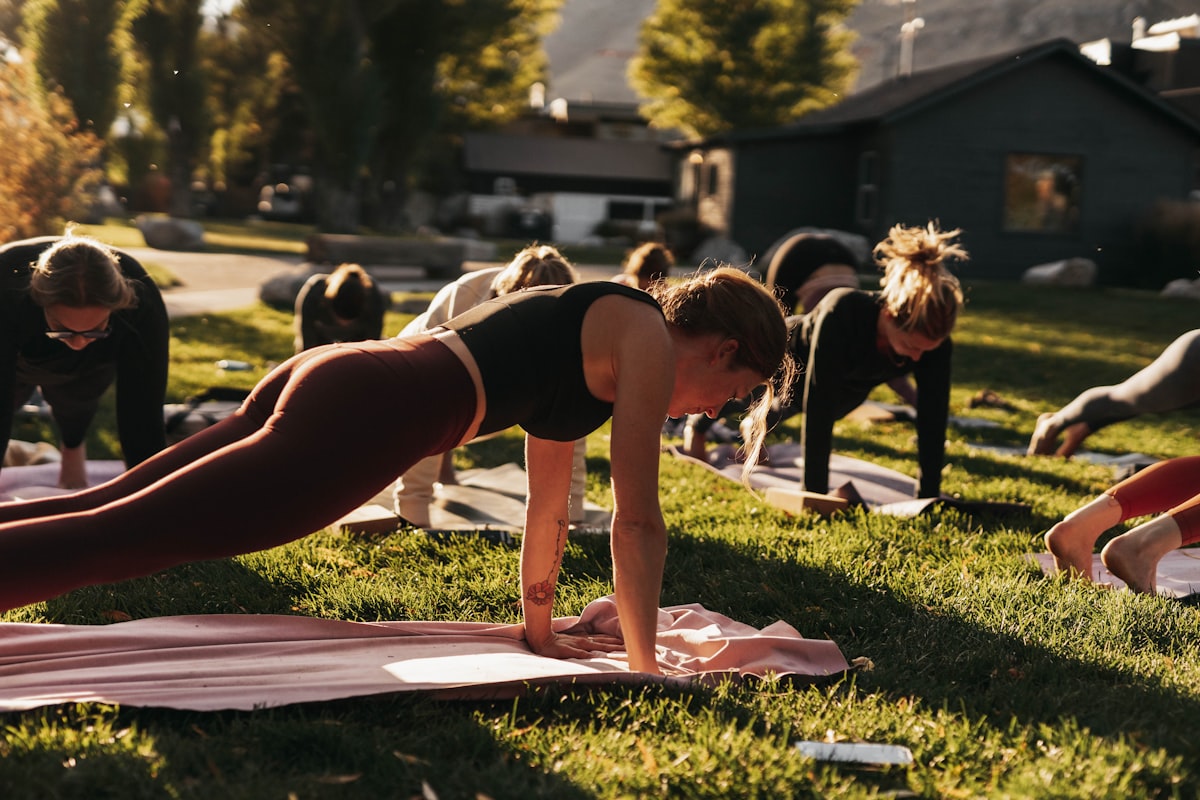
Butterfly Pose
An accessible hip opener that gently opens the inner thighs and groin area. Wonderful for improving hip mobility and can be modified for any flexibility level.
Learn More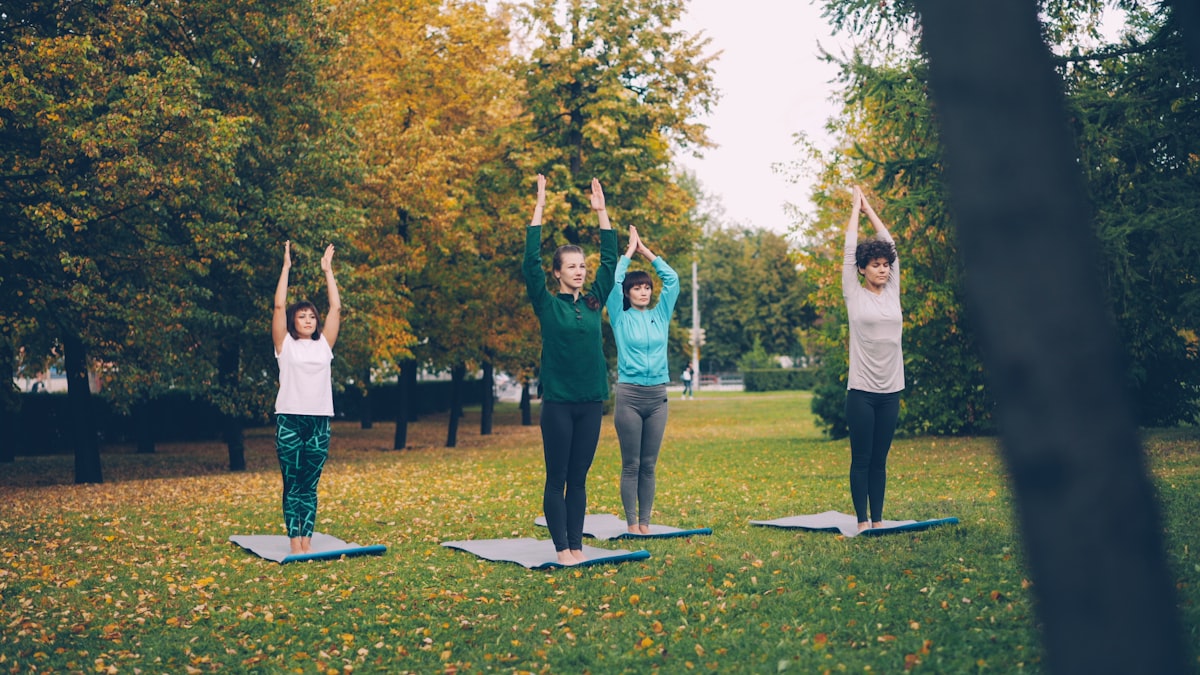
Cat-Cow Stretch
A flowing spine warm-up that mobilizes the vertebral column and connects movement to breath. Ideal for beginning your practice and building spinal awareness.
Learn More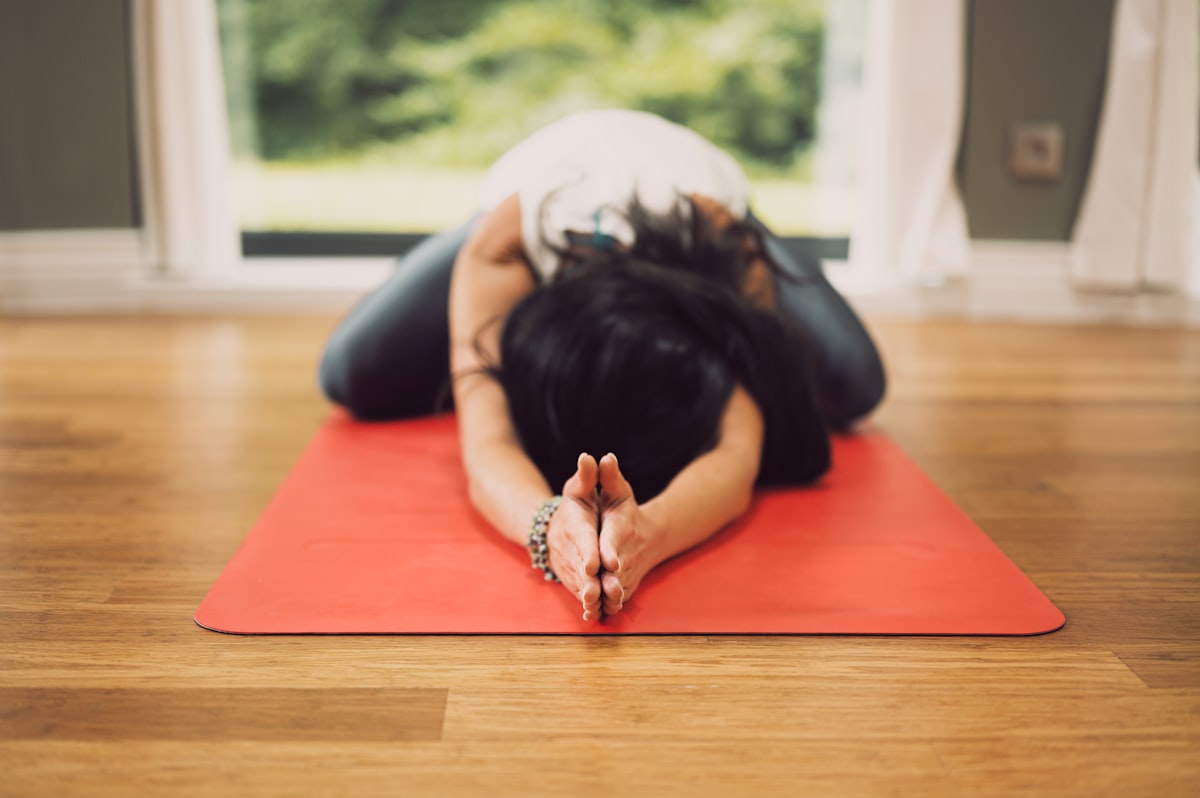
Mountain Pose
The foundation of all standing poses, teaching proper alignment and body awareness. Build strength and stability while improving posture and focus.
Learn MoreWhy Choose Coreflexibility Guide
Comprehensive Resources
Detailed guides and articles covering everything from basic alignment principles to advanced flexibility techniques. Learn at your own pace with clear, accessible instruction.
Beginner-Friendly Approach
Every article and guide is written with beginners in mind. No prior yoga experience needed—just curiosity and a willingness to explore your body's capabilities.
Holistic Wellness Focus
We emphasise the connection between physical flexibility and overall wellbeing. Learn how yoga practices contribute to better movement, reduced stress, and improved quality of life.
Progressive Structure
Follow a clear learning path from foundational concepts through intermediate techniques. Each lesson builds naturally on previous knowledge for steady, confident progress.
Community Focused
Join a supportive community of readers exploring their flexibility journey. Share experiences, ask questions, and grow together with others discovering the benefits of yoga.
Evidence-Based Content
Our editorial team researches and presents information grounded in established yoga principles and movement science. Learn with confidence from credible sources.
Success Stories from Our Community
"I started yoga six months ago with zero flexibility, and I was genuinely sceptical. But the Coreflexibility Guide broke everything down so clearly that I actually felt confident trying poses at home. Now I can touch my toes and feel so much more mobile in everyday life. The articles are thorough without being overwhelming—exactly what a beginner needs."
Emma Richardson
Manchester, United Kingdom
"As someone who works at a desk all day, my shoulders and neck were constantly tight. I found Coreflexibility Guide while searching for help, and the flexibility content literally changed how I feel. I do 15 minutes of stretches each morning now, and the tension is gone. The guides are genuinely helpful and easy to follow."
James Mitchell
Edinburgh, United Kingdom
"I was intimidated by yoga until I discovered these guides. They explain not just the how, but the why—understanding the purpose behind each pose made me feel more connected to my practice. My flexibility has improved dramatically, but more importantly, I feel stronger and more aware of my body. Highly recommend for any beginner."
Sarah Chen
London, United Kingdom
"After an injury, I was told to improve my flexibility to prevent problems down the line. These guides gave me exactly the information I needed to start safely. The progression from basic to more challenging poses is perfect—no jumping ahead, just steady improvement. I'm far more flexible now and feel genuinely better."
Michael Torres
Bristol, United Kingdom
Common Questions About Starting Yoga
Not at all! Yoga is for every body, regardless of your current flexibility level. In fact, beginners often see the most dramatic improvements because they're starting from where they are. The practice is about progress, not perfection. You'll gradually increase your range of motion as your muscles adapt and relax. Many people come to yoga thinking they're "not flexible enough," but that's exactly why they're there—to become more flexible over time.
Consistency is more important than frequency. Even 15-20 minutes of yoga 3-4 times per week can produce noticeable improvements in flexibility within 4-6 weeks. Most people find that daily practice, even if brief, helps maintain progress and build the habit. Listen to your body—some days you might do a full practice, and other days just a short stretching session. The key is showing up regularly rather than occasionally doing long, intense sessions.
Practically nothing! You need a comfortable space where you can lie down and stretch. A yoga mat is helpful for cushioning and grip, but you can use a towel on carpet. Some people find props like yoga blocks, blankets, or straps useful for modifications, especially as beginners, but these are optional. The most important equipment you bring is your willingness to try and patience with yourself as you learn.
Many people find that regular yoga practice helps reduce muscle tightness and stiffness. Gentle stretching combined with mindful breathing can release tension that builds up from daily stress, poor posture, or work habits. However, if you have persistent pain or injuries, it's wise to consult a healthcare professional before starting. Yoga complements other treatments but shouldn't replace medical advice for serious conditions.
There are many yoga styles, each with a different focus. Hatha yoga emphasises hold and alignment, making it excellent for beginners. Vinyasa flows movement with breath at a moderate pace. Yin yoga uses longer, passive holds to deepen flexibility. Restorative yoga emphasises relaxation and recovery. For beginners focusing on flexibility, Hatha or gentle Vinyasa are typically most approachable. Our guides cover foundational practices that work across styles, so you can explore what resonates with you.
Yoga can be adapted for most health situations, but it's essential to work carefully and inform yourself. If you have a specific injury, chronic condition, or are recovering from surgery, consult your doctor before beginning. Our guides emphasise modifications and listening to your body, which helps you practice safely. A qualified yoga teacher can offer personalised adjustments for your needs. Never push into pain—yoga should feel supportive, not harmful.
Start Your Flexibility Journey Today
Explore our comprehensive guides, learn beginner-friendly poses, and join a supportive community discovering the transformative power of yoga. Every journey begins with a single stretch—let's get started.